GUILDA Insights
Insights, page 2
How to secure Google Cloud and Kubernetes, meet compliance frameworks, learn from data breaches and manage supplier risk. Every article draws on GUILDA's practice and is written by its founder, Marco Villarruel.
Articles by topic
Threats and Breaches
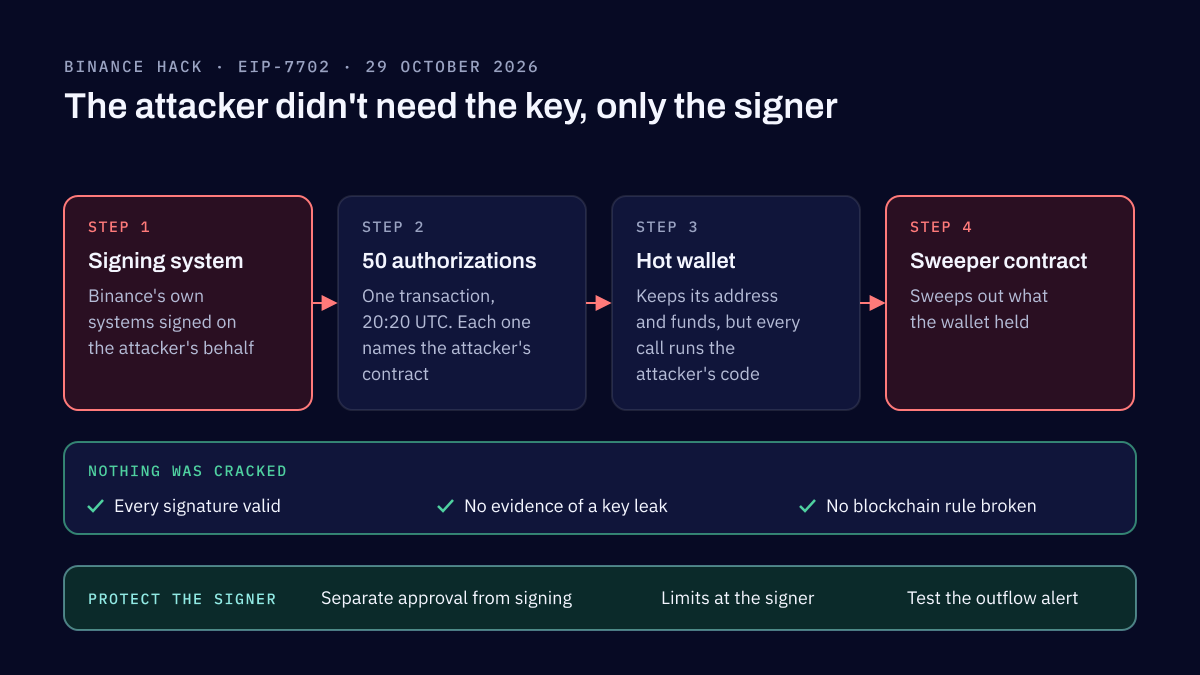
The $6 billion Binance hack: how EIP-7702 turned a hot wallet against its owner
Attackers drained about $6.3 billion from Binance's hot wallets on 29 October 2026, using EIP-7702 to point a wallet at their own contract. The keys did not leak; a system that signs was used. The lesson for any company is to protect the signer and the approvals, not only the key.
Threat Detection
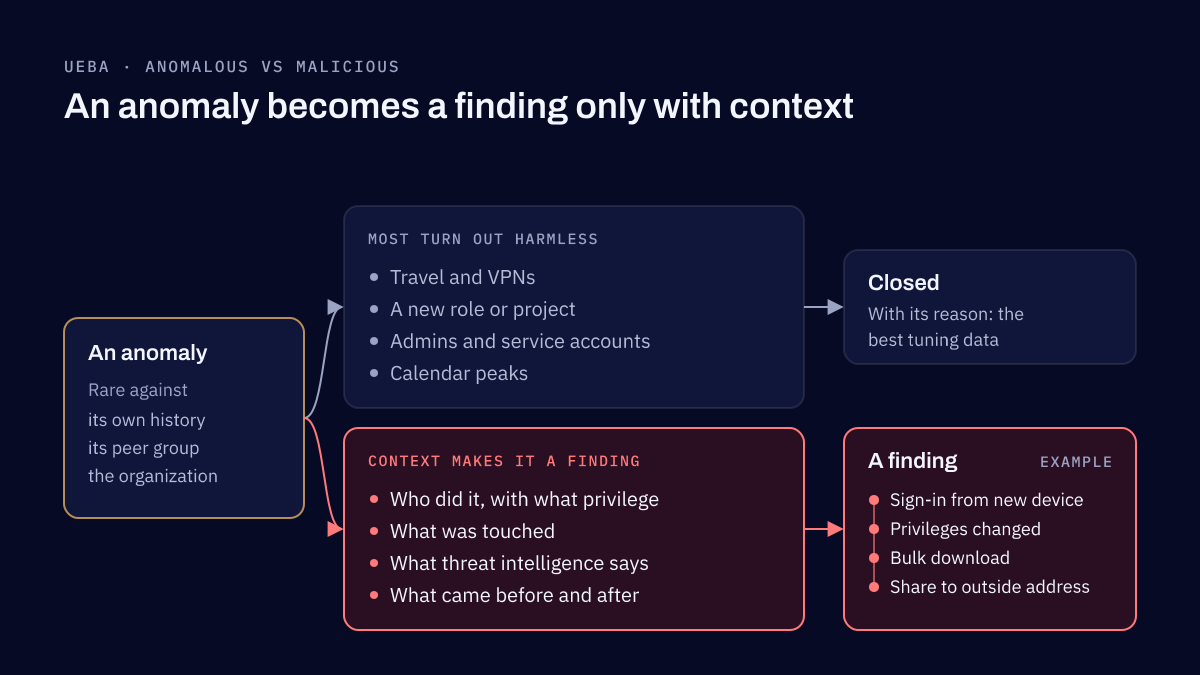
UEBA: how to tell anomalous behavior from malicious activity
UEBA learns what is normal for each user, device, service account and application, and flags what departs from it. An anomaly is not an attack. Most are travel, a new role, an admin job or month-end. It becomes a finding when privilege, asset value, threat intelligence or a chain of actions says so.
AI Security
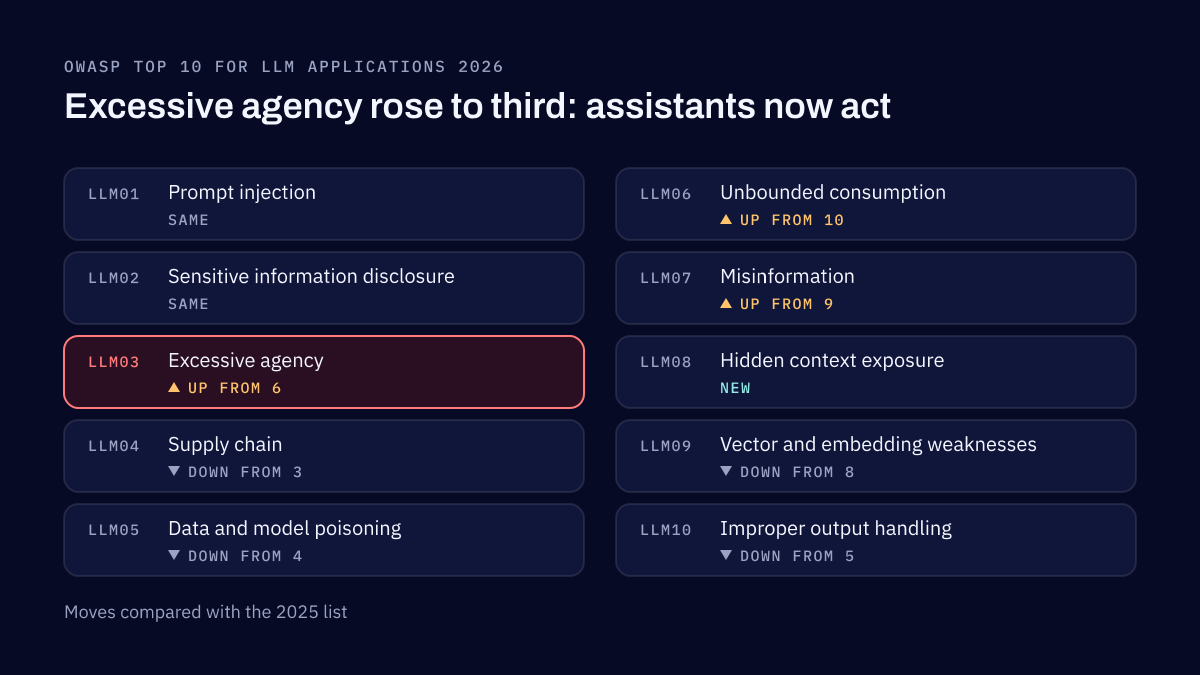
10 ways your AI can be turned against you: OWASP Top 10 for LLMs vs MITRE ATLAS
A chatbot that invents a refund policy, an assistant that leaks mail without a click, a coding tool shipped with planted code. The OWASP Top 10 for LLM Applications names these risks for builders; MITRE ATLAS records how attackers carry them out. Here is how the two fit together.
AI Security
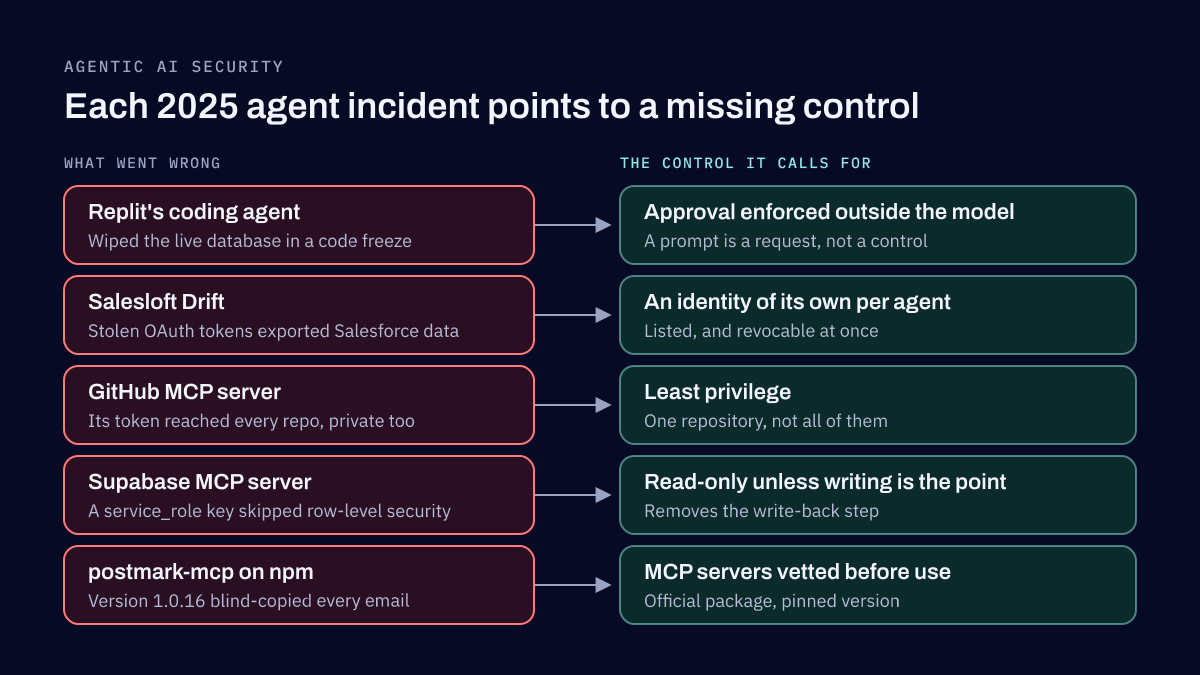
Agentic AI security: your newest employee has admin rights and no manager
AI agents do more than answer. They call tools, read data and act in other systems, often with a person's keys. Five public incidents from 2025 show what goes wrong, and each points to a control, from an identity of the agent's own to a named owner who can stop it.
AI Security
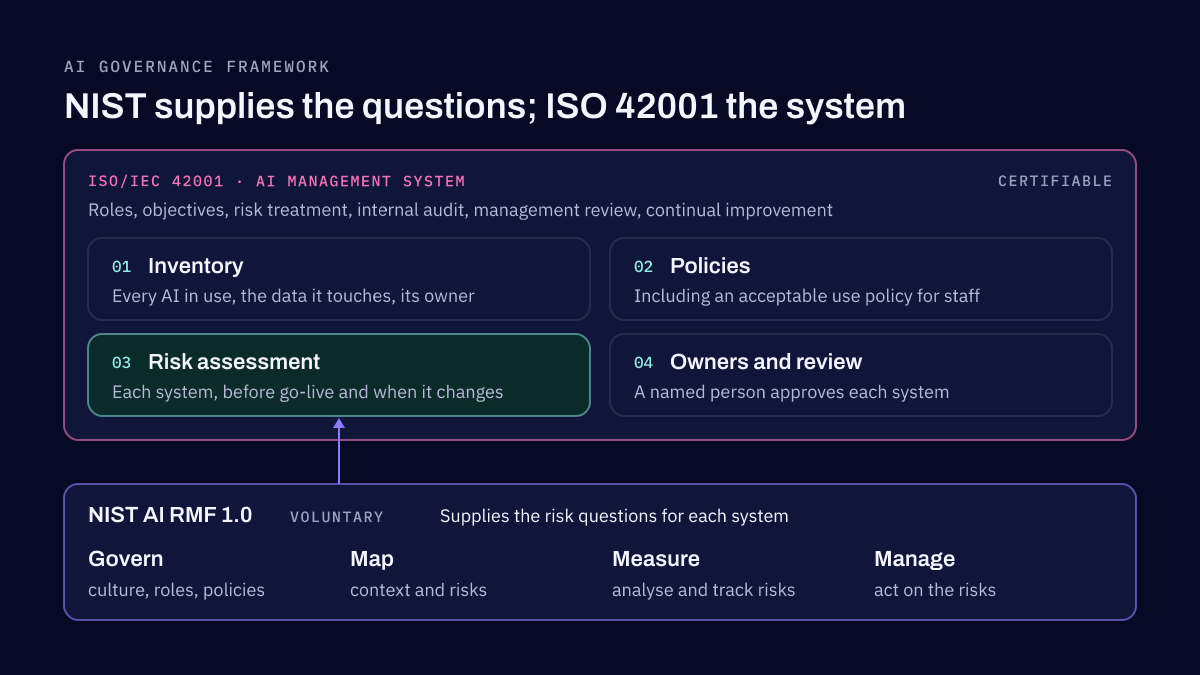
AI governance framework: set the rules before your AI goes rogue
An AI governance framework decides which AI systems your company uses, what each may do, who approved it and how you notice when it goes wrong. NIST AI RMF supplies the risk questions, ISO/IEC 42001 the management system around them, and an acceptable use policy tells staff what they may do today.
AI Security
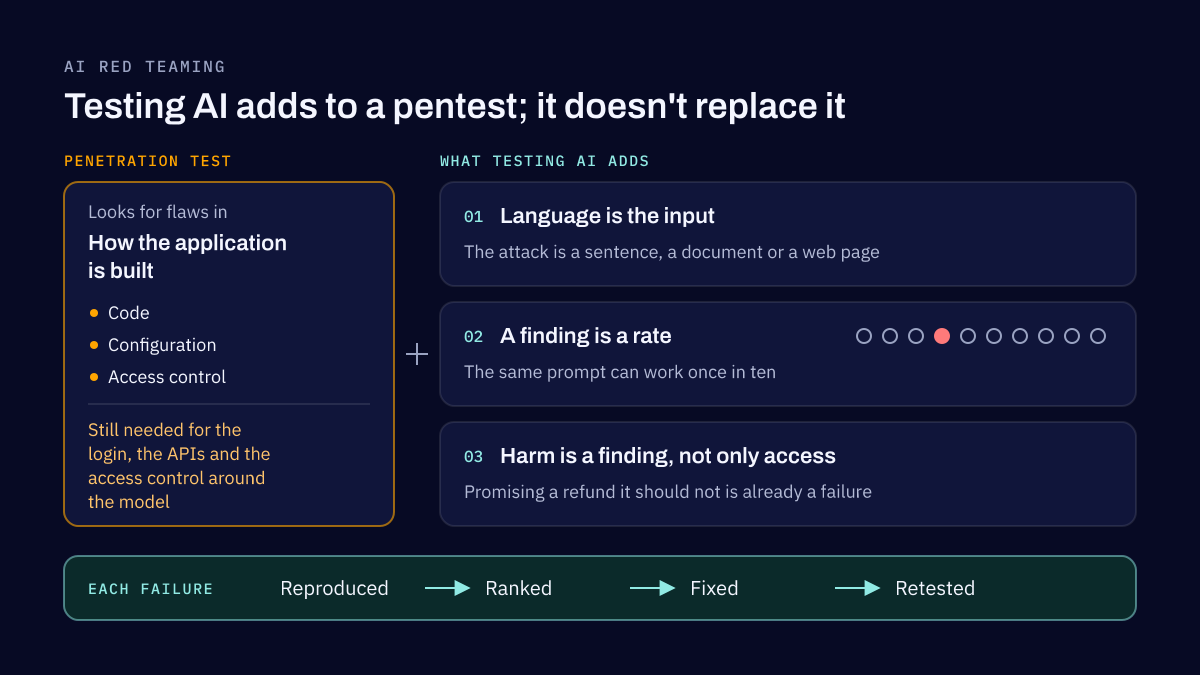
AI red teaming: break your AI before attackers do
AI red teaming is testing an AI system the way an attacker would, to make it ignore its instructions, reveal what it should not or misuse its tools. It differs from a penetration test because the attack is written in plain language, and it ends with fixes you can retest.
AI Security
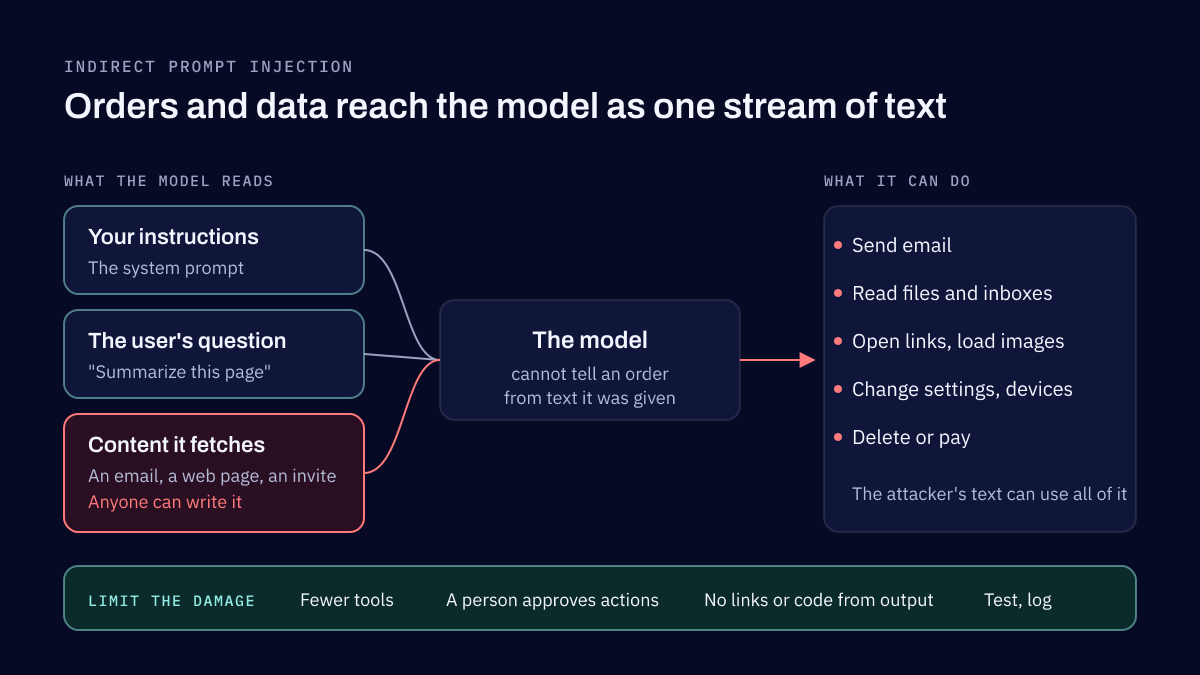
Ignore all previous instructions: prompt injection examples and how to stop them
Prompt injection is when text an AI system reads is taken as an instruction, so whoever wrote that text can steer it. An email, a web page or a calendar invite is enough. You prevent it by limiting what the system can do, not by asking the model to behave.
Governance and Compliance
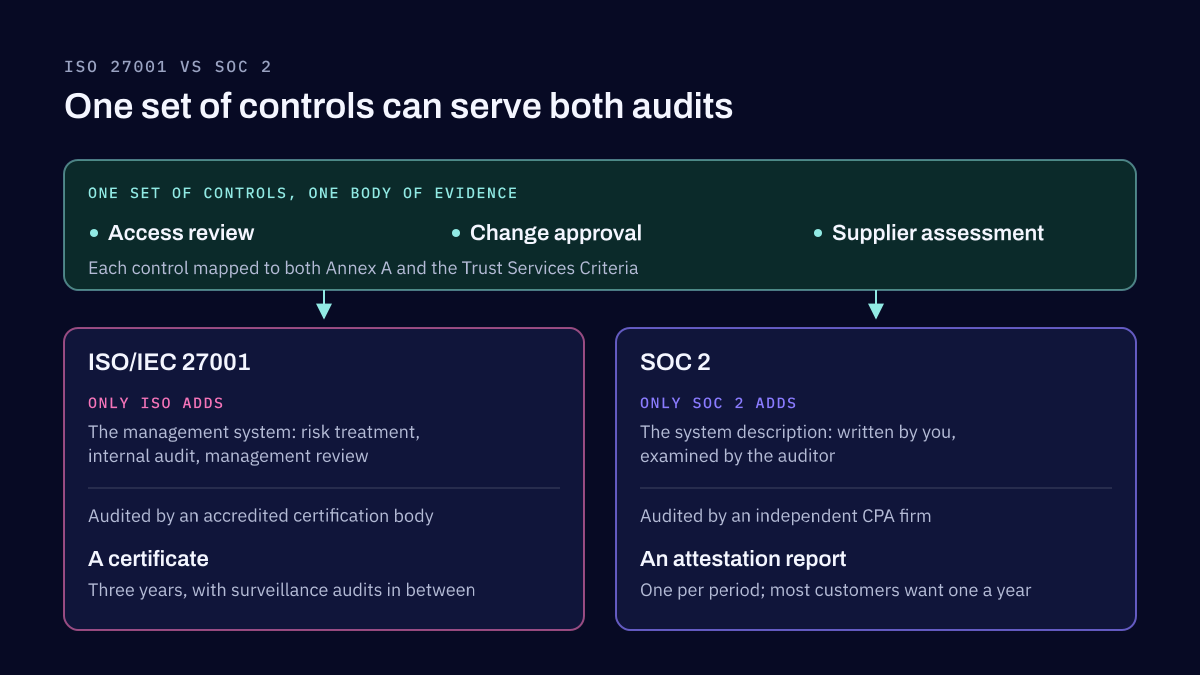
ISO 27001 vs SOC 2: which one your customers need, and what each takes
ISO/IEC 27001 is an international standard for running information security as a management system, and an accredited certification body certifies you against it. SOC 2 is a report on your controls, written by an independent CPA firm against the AICPA's Trust Services Criteria. Which one you need depends on who is asking, and most of the work counts for both.
Tell us what you need to secure or build
Send a short description of the problem. We reply within two business days.